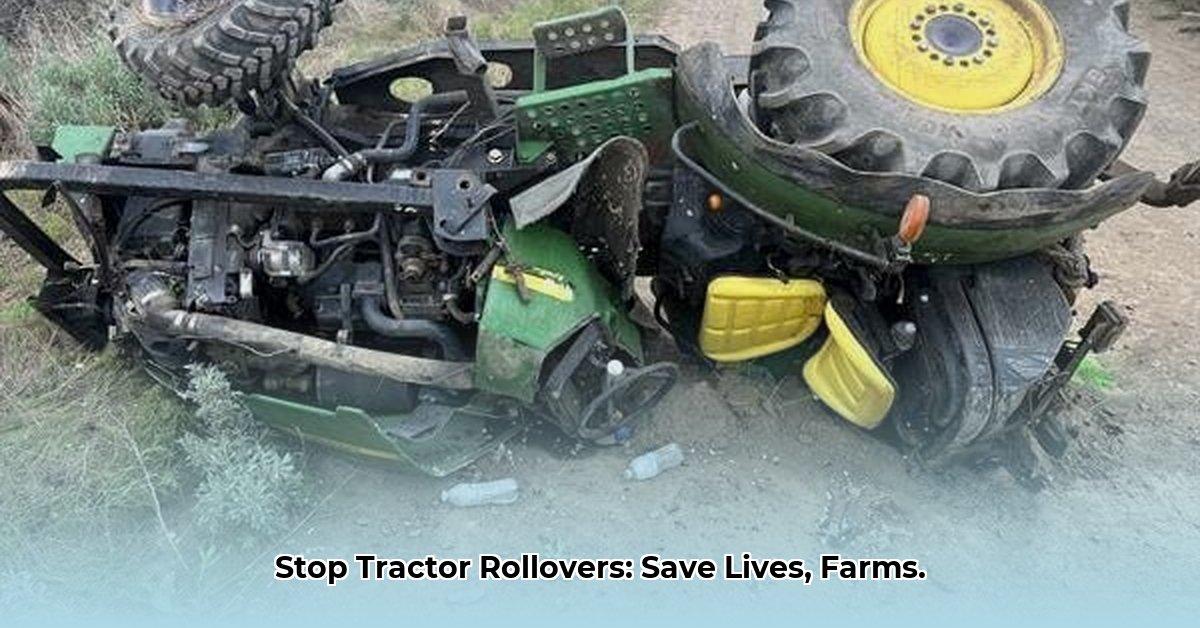
Tractor rollovers are a leading cause of death and injury in agriculture. This guide provides actionable steps to mitigate this risk, promoting safer and more sustainable farming practices. Ignoring tractor safety isn't just irresponsible; it's economically damaging, leading to lost productivity, repairs, and insurance claims. Let's prioritize safety – it’s an investment in your future. For more information on tractor hitches, see this helpful resource.
Understanding Tractor Rollover Risks
Tractor rollovers aren't random accidents; they are preventable incidents often stemming from predictable factors. Understanding these factors is the first step toward creating a safer work environment. Did you know that over 70% of tractor rollovers occur on slopes? This statistic highlights the critical need for proactive safety measures.
Factors Contributing to Tractor Rollovers
- Slope Instability: Steep slopes dramatically increase the risk of rollovers, especially during turns or with heavy loads. The steeper the incline, the greater the danger.
- Excessive Speed: Driving too fast for conditions, particularly on uneven terrain, significantly increases instability. Speed is a major contributor to rollover accidents.
- Poor Weight Distribution: Unevenly distributed weight shifts the tractor's center of gravity, making rollovers much more likely. Always ensure even weight distribution.
- Mechanical Failure: Malfunctioning brakes, steering, or tires can contribute to rollovers. Regular maintenance is crucial for preventing mechanical failures.
- Inadequate Operator Training: A lack of proper training exposes operators to increased risks and unsafe practices. Invest in comprehensive training programs.
Immediate Actions for Enhanced Safety: Start Today!
These immediate actions can significantly reduce your risk without requiring significant financial investment. Begin implementing these strategies now to protect yourself and your team.
Monitor Speed: Adjust speed based on terrain. On uneven ground or slopes, operate at significantly reduced speeds. ("Crawl, don't race," as the saying goes). This simple step can dramatically reduce your risk.
Check Tire Pressure: Proper tire inflation is crucial for stability. Regularly check and adjust tire pressure according to your tractor's specifications. Underinflation is a significant risk factor.
Even Weight Distribution: Ensure weight is distributed evenly across the tractor. Use counterweights if necessary, especially when hauling heavy loads. Balance is key to stability.
Handle Slopes with Extreme Caution: Approach slopes with extreme caution, using lower gears and reducing speed. Consider alternative routes if slopes are excessively steep or unstable. Avoid slopes whenever possible.
Long-Term Strategies for Sustainable Tractor Safety
Investing in long-term safety measures creates a safer and more sustainable farming operation. These investments are not just about cost; they are about protecting your most valuable asset: your people.
Rollover Protection Structures (ROPS): Ensure your tractor is equipped with and consistently uses a properly maintained ROPS. This is the single most effective device for preventing fatal injuries in rollovers. It's a non-negotiable safety feature.
Regular Maintenance: Schedule regular tractor maintenance to prevent mechanical failures that can contribute to rollovers. Address problems promptly. A well-maintained tractor is a safe tractor.
Comprehensive Operator Training: Provide comprehensive operator training to all farm personnel. Training covers safe operating practices, emergency procedures, terrain assessment, and the recognition of hazardous conditions.
Advanced Technology Integration: Consider implementing technology such as GPS guidance and auto-steering systems, especially in challenging terrain. These technologies can improve stability and reduce the risk of human error.
Assessing and Mitigating Tractor Rollover Risks: A Practical Approach
This risk assessment matrix can help you identify areas for improvement and prioritize safety measures.
| Factor | Likelihood of Rollover | Severity of Impact | Mitigation Strategies |
|---|---|---|---|
| Steep Slopes | High | Catastrophic | Avoid steep slopes; use lower gears; add counterweights; utilize alternative routes |
| Excessive Speed | High | Catastrophic | Match speed to terrain; never exceed safe operating speeds |
| Poor Weight Distribution | Medium | Significant | Distribute weight evenly; use front and rear weights as required |
| Lack of ROPS | Medium | Catastrophic | Install and maintain a functioning ROPS |
| Inadequate Operator Training | Medium | Significant | Comprehensive and regular training for all operators |
| Mechanical Failure | Low | Significant to Catastrophic | Regular maintenance; prompt repair of any issues; scheduled maintenance checks |
“Investing in safety is investing in the future of your farm," says Dr. Emily Carter, Agricultural Safety Expert at the National Institute of Food and Agriculture (NIFA). "Proactive measures not only protect lives but also improve operational efficiency and sustainability."
Conclusion: Prioritizing Safety for a Sustainable Future
Preventing tractor rollovers is not just about avoiding accidents; it's about fostering a culture of safety that values human life and protects the long-term viability of your farm. Remember, the cost of safety measures is far outweighed by the potential consequences of a rollover accident. Prioritize safety – it's a sustainable approach to farming.